Project Ideas

Looking for a project to practise your woodworking skills? Here’s a few tips and ideas to get you started.

Choosing What to Make: A Quick Guide for Beginners

When starting your first woodworking project, it helps to ask yourself a few key questions:

What inspires you?   Is it furniture, upcycling old pieces, or creating something fun like children’s toys? Start with something that excites you.

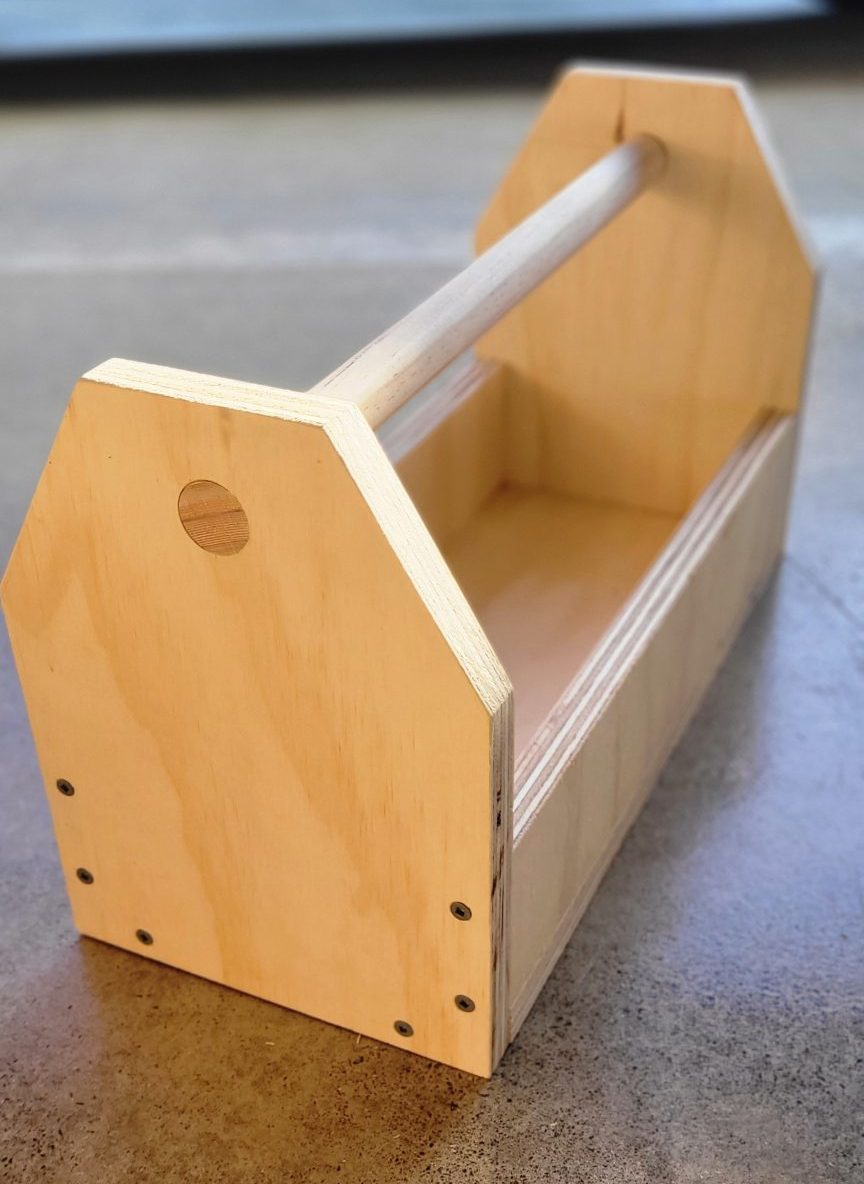
How difficult is the project compared to your current skill level?  It’s often best to begin with something simple to build your confidence and practice basic techniques.  If you’re a complete novice, we recommend you try a small kitset project to start.  We have a designed a kitset tool box with absolute beginners in mind.

Found instructions online, or in a book?  Make sure you are clear about the process, tools and the materials. If you’re halfway through and realise you need a specific tool that you don’t have, you’re more likely to give up.

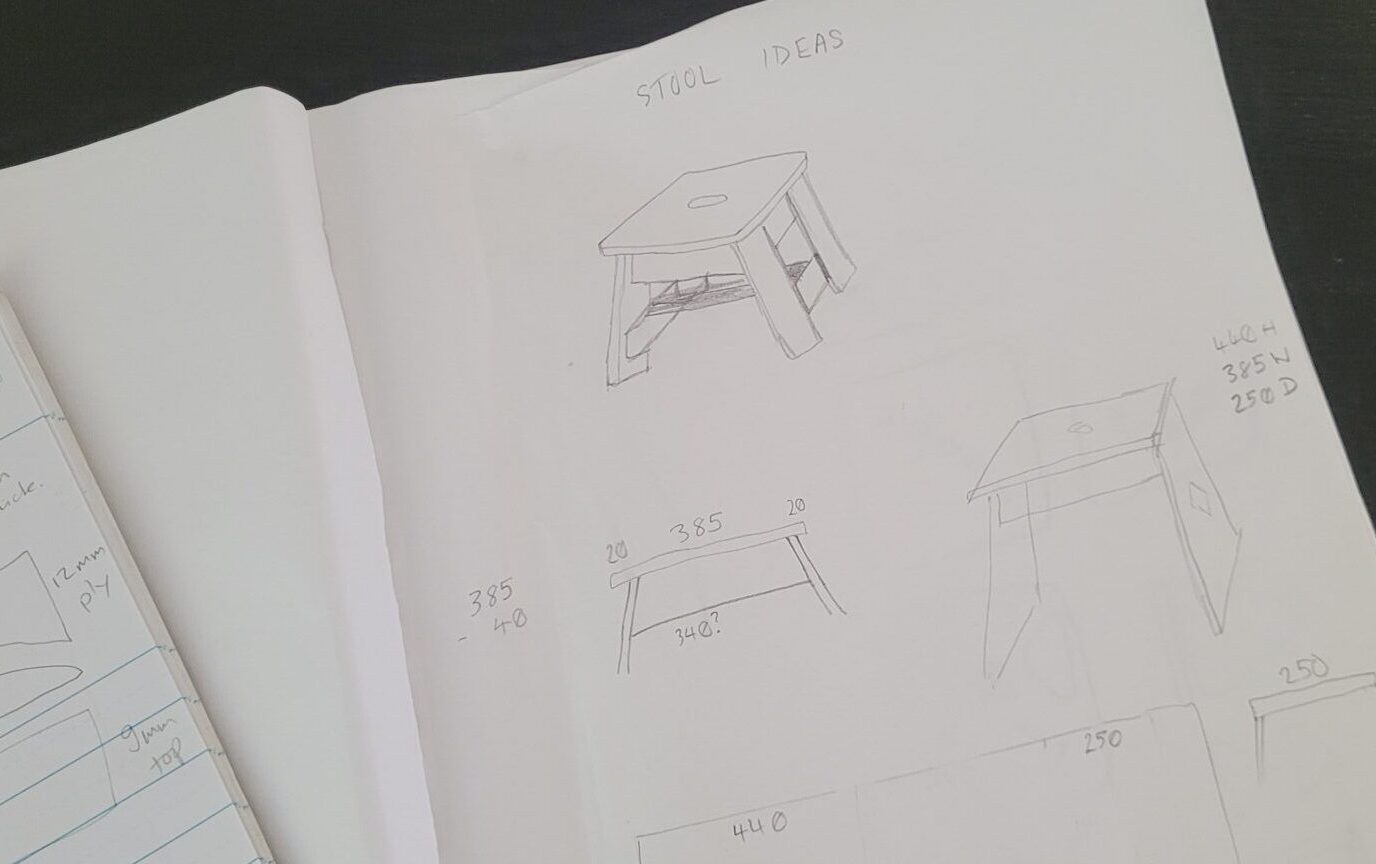
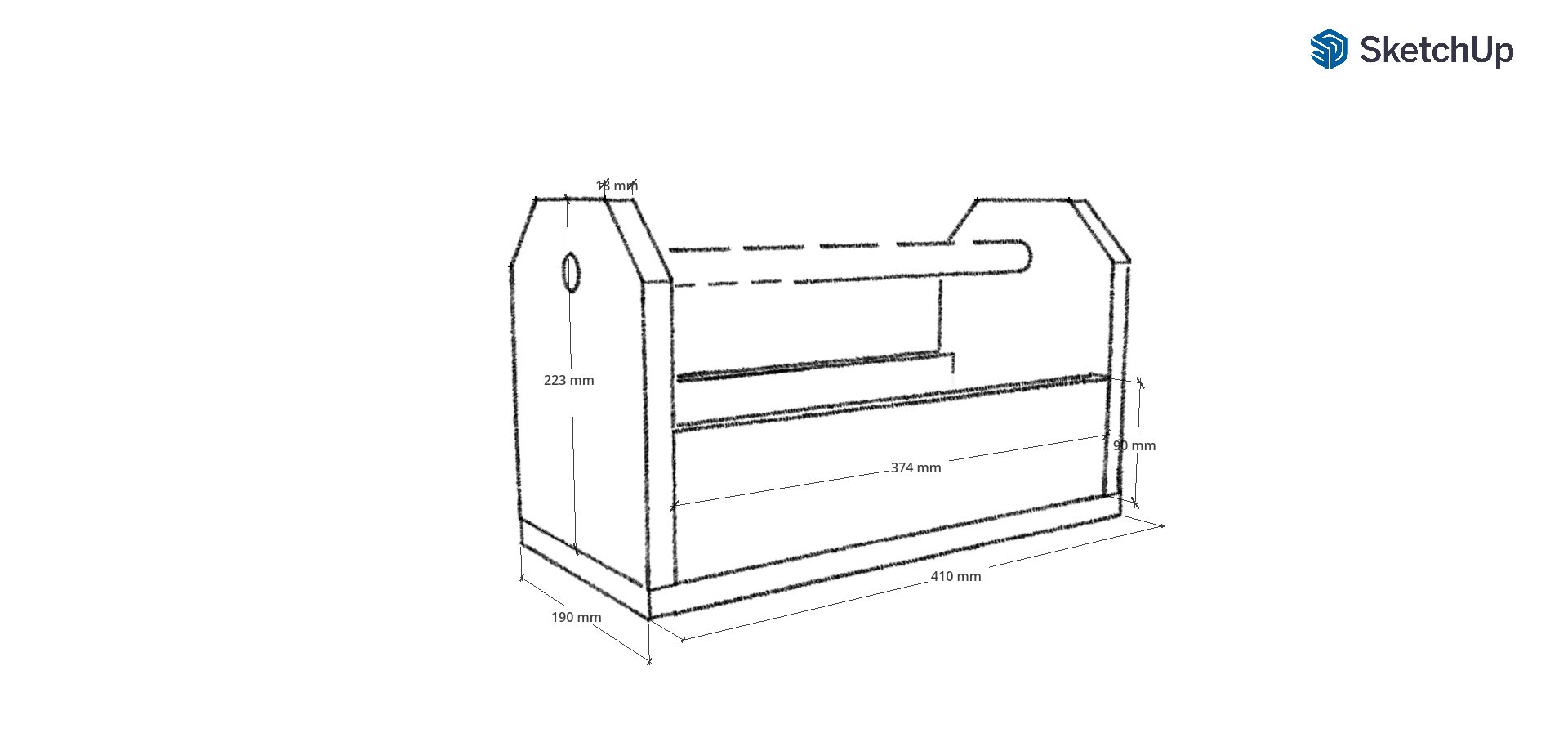
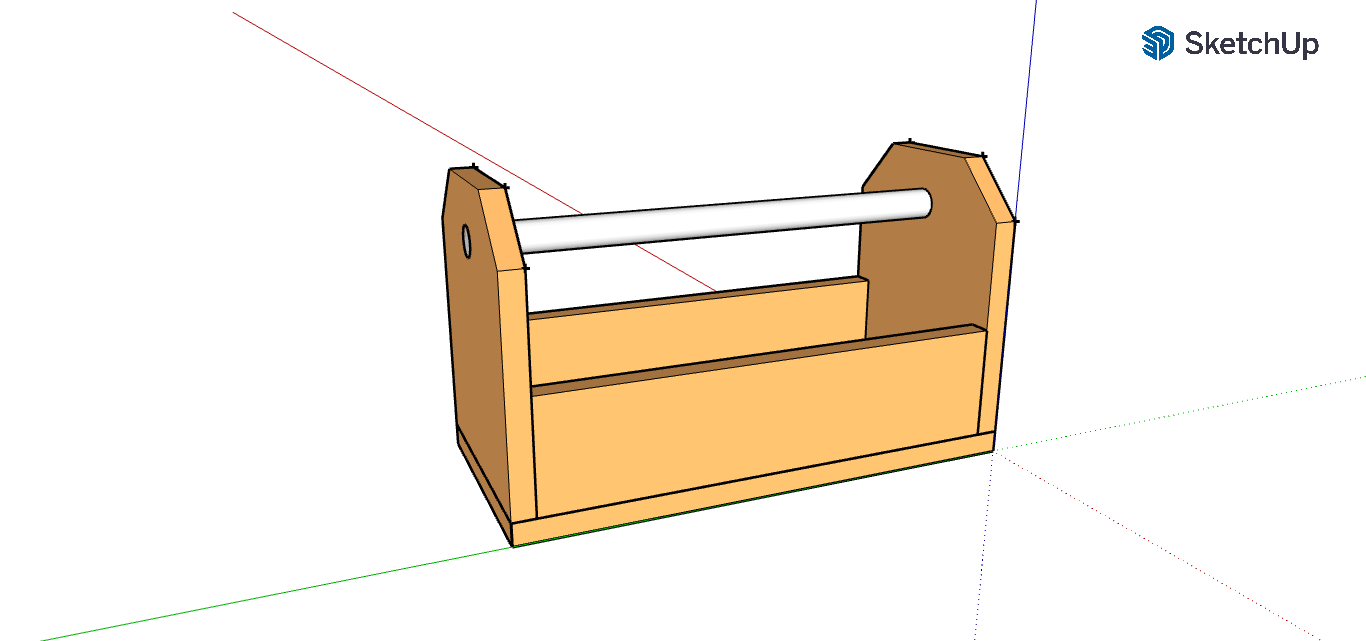
If you have an idea, sketch it out.  Putting your idea on paper helps you visualise the components and how they come together.  If you’re feeling adventurous, try a free online design tool like SketchUp.  

Are you working in metric (metres and millimetres) or imperial (feet and inches)?  Stick with the system your tools are marked in – converting between millimetres and inches can cause real headaches and inaccuracies.

What kind of materials will you use?  You might choose new or recycled timber, or manufactured boards like plywood, MDF, or chipboard. Consider the pros and cons of rough-sawn vs. dressed timber too.

Where can you source materials?  Explore DIY stores, reclaimed material yards, pallets, local timber mills, online auction sites.  Using reclaimed or sustainably sourced wood is a great way to reduce waste and help protect the environment.

Be especially cautious when buying hardwoods. Unsustainably harvested hardwoods can contribute to illegal logging and deforestation, often impacting rainforests and endangered ecosystems. Always check for reliable certifications like FSC (Forest Stewardship Council) or PEFC, and be wary of sellers who can’t verify the origin of their wood.

Check our useful links page for suggestions.

And most importantly… Be ready to laugh at your mistakes, celebrate your wins, and enjoy the journey. Woodworking is as much about the process as it is the finished piece.

Not Sure Where to Start? Try Our Beginner Toolbox Kit!

If you’re looking for a first project that’s easy and practical our Beginner Toolbox Kit is designed just for you.

It includes pre-cut or partially cut plywood, fixings, essential equipment, and step-by-step instructions to help you build your skills with confidence. No experience is needed.

Browse the kit in our online shop and get started today!

Purchases from our online shop supports the WomenzShed Empowerment Fund helping more women to gain skills and confidence.

Other projects

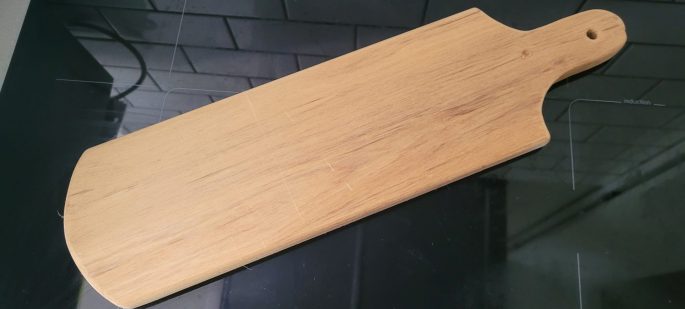
Serving platter/paddle board

A great way to upcycle floorboards (Rimu or Kauri are a New Zealand favourite) and they make great gifts too.

  • Skills/techniques practised include measuring, drilling, sawing, planing and as much creativity as you like
  • Tools/machinery that could be used include squares, saws (hand, bench, compound and jigsaws), hand or electric planes, drills and drill presses, sanders

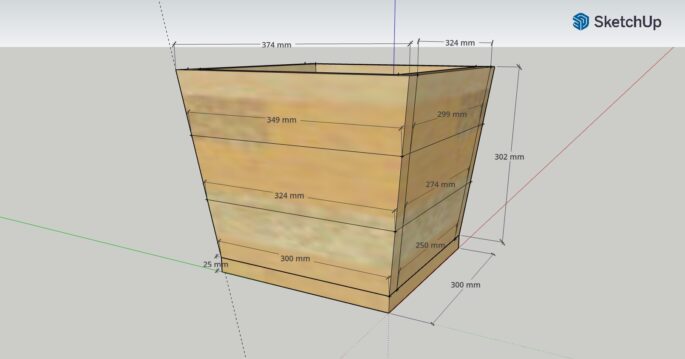
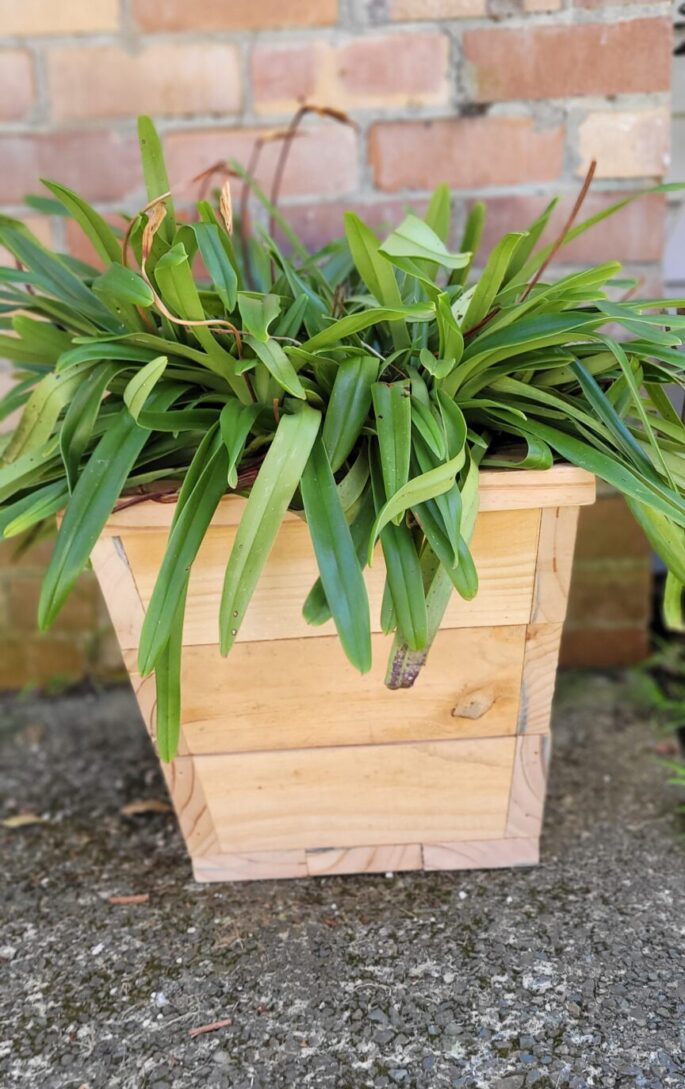
Tapered Planter Box

A tapered planter box takes your skills up a level. The addition of compound angles, both across the face and the edge of the wood is challenging. 

  • Skills/techniques practised include measuring, drilling, sawing angles, adding fixings such as nails or screws
  • Tools/machinery recommended for this project include a speed-square, compound mitre saw, bevel

We created the one featured at the top of the page from 25mm x 100mm ‘boxing timber’. It is rough sawn and you have to be careful to select decent quality lengths but it’s cheap and not treated so you can put your soil straight into it if you don’t want to bother with lining or a pot.

Instructions to build available on request.

Chopping board

Making a chopping board can actually be simpler than a serving platter (above) or you could try another skill called laminating, where you join sections of timber to create a single piece with a large surface area.  Macrocarpa (aka cypress) is often used for chopping boards but you can use others, especially a hardwood like oak which is dense and very durable. You can even alternate different woods to create a pattern if you choose to laminate.

  • Skills/techniques practised include measuring, laminating (gluing), clamping, sawing, planing, finishing oils
  • Tools/machinery that could be used include square, sash cramps, panel or band saw, planes, shooting board, cabinet scraper, sanders

 CUTTING LIST (with suggested sizes) to make a 450 x 280 x 45mm board
 Item  Material  No  Length  Width  Thickness
 Board piece  Macrocarpa  8  600mm  350mm  45mm

Kids toys

Toys for younger children don’t have to be complicated or particularly pretty.  A set of square or oblong blocks will provide a lot of fun stacking and knocking over, and who doesn’t love a game of Jenga.  You’d get a lot of practice with accuracy and cutting skills making those 54 blocks!